Character Consistency: Still to Motion
Extending a reference identity into photorealistic stills and AI-generated motion across different environments and motion intensities.
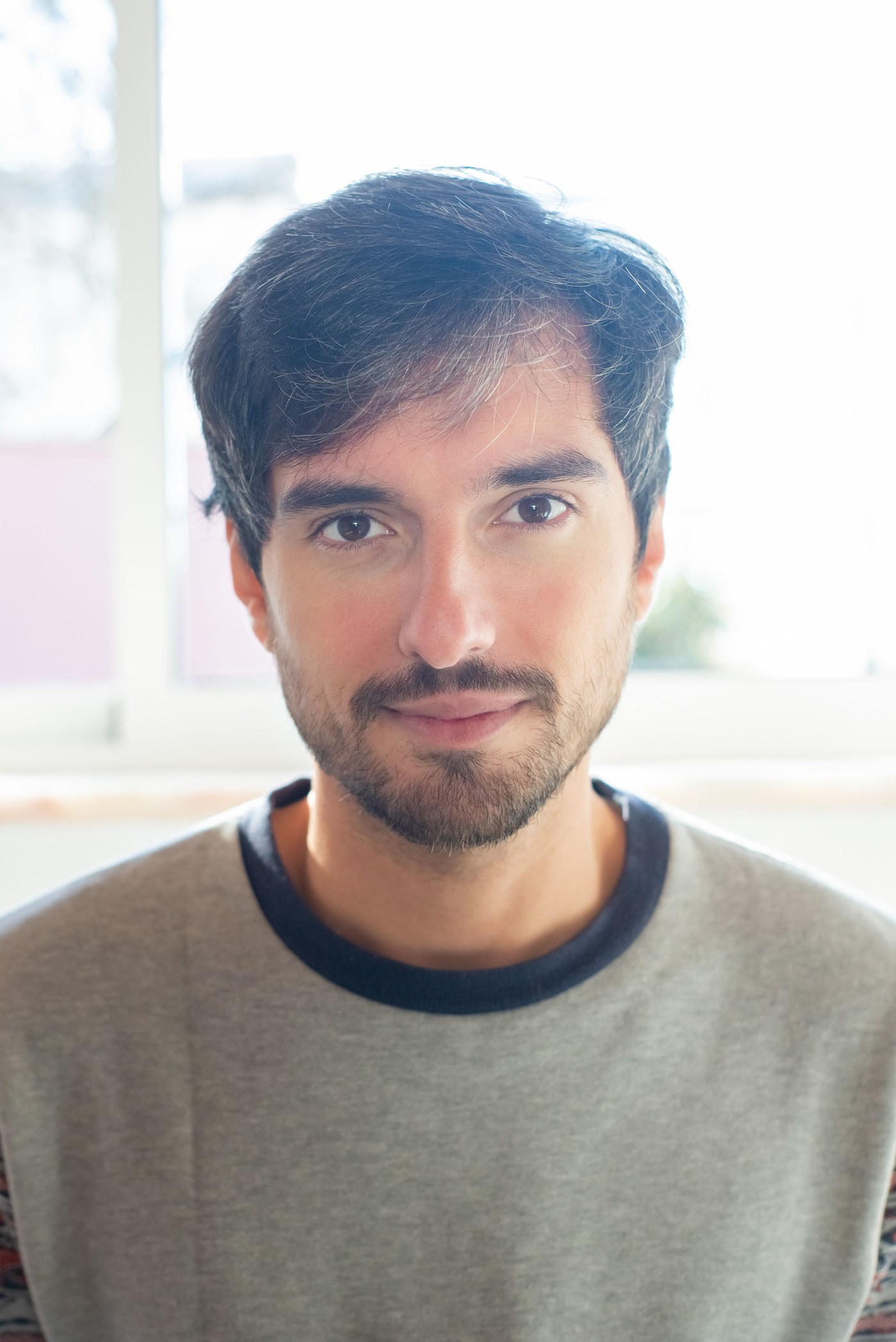
One reference identity → Two generated scenes → Two motion intensities
Two scenes, each generated as a still and then extended into movement.
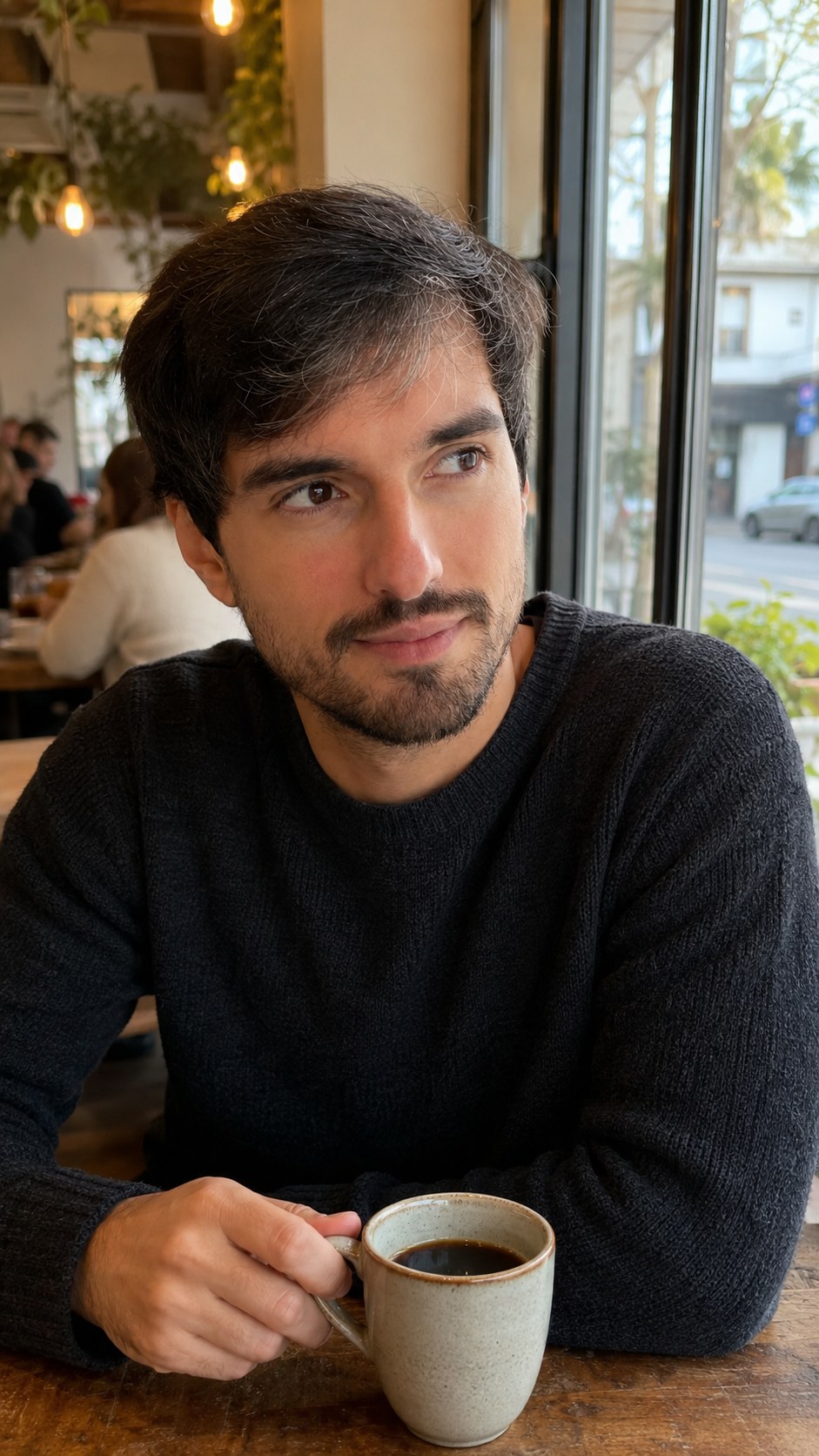
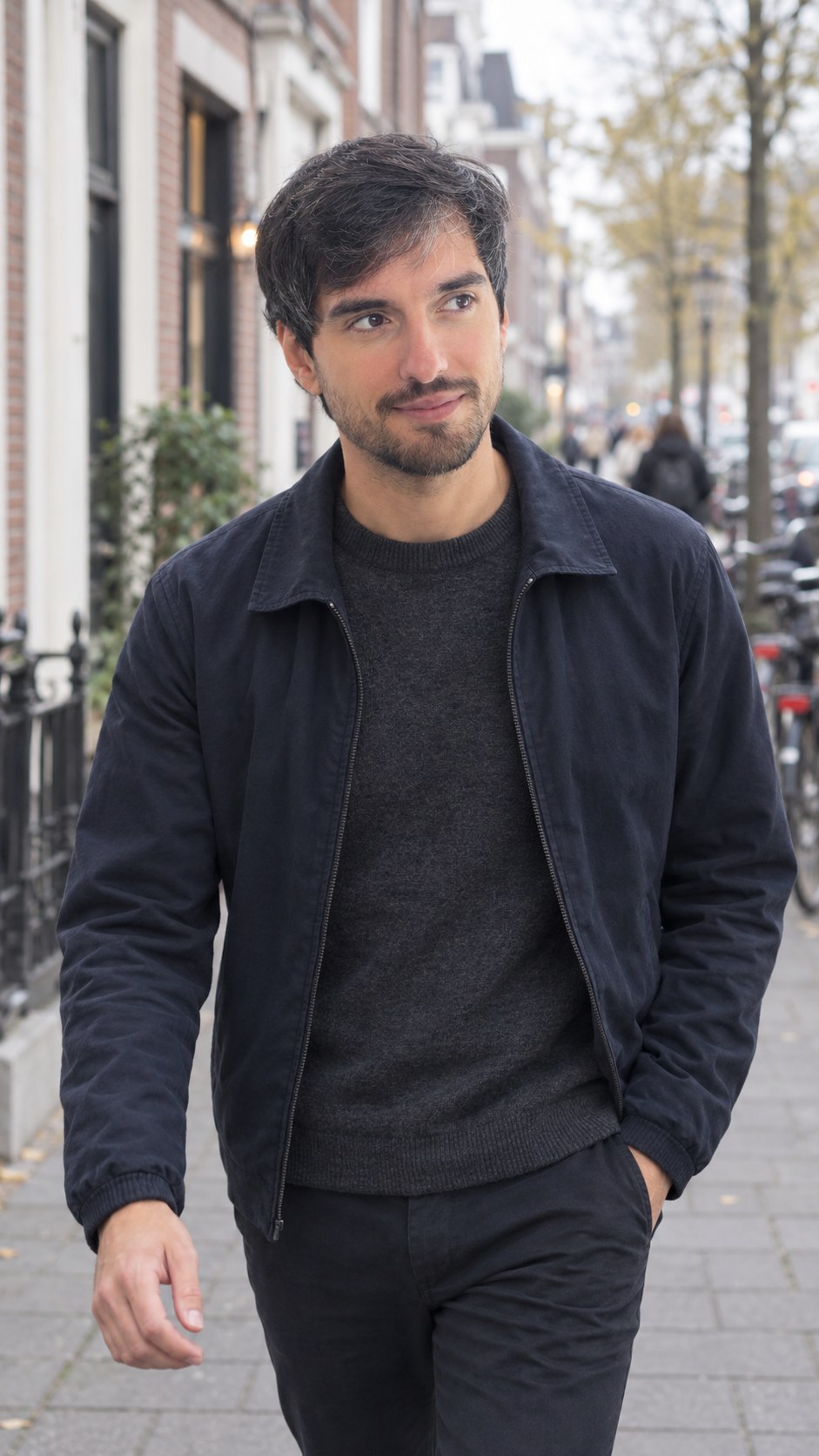
One identity, two very different demands.
Café — subtle micro-performance
Small movements carry the most risk. A blink, a breath, a slight shift of weight — at this scale the face stays large in frame, so any drift is immediately visible.
Street — stronger full-body motion
Full-body movement introduces gait, limb articulation and the way clothing responds to walking. The direction was a natural walking pace with a camera that behaves like it is actually there.
Process
- Fix the reference identity and carry the same description into both scenes.
- Generate the café and street stills to the same identity standard before any motion work.
- Choose the motion intensity per scene deliberately, rather than applying one setting to both.
- Write motion prompts around behaviour — what the person is doing — instead of camera language alone.
- Review each sequence at the frames where the face is largest and where it moves fastest.
- Regenerate where identity slipped mid-sequence rather than trimming around the problem.
Checked across every frame, not only the first
- Identity holding mid-sequence, not just at the source frame
- Face morphing during turns or fast movement
- Hand and finger construction while in motion
- Gait and limb articulation in the street sequence
- Clothing responding correctly to body movement
- Background objects and people behaving consistently
- Camera movement reading as physical, not a pan applied to a photo
- Light staying attached to its source throughout
One identity that survives from a fixed reference through two environments and two very different levels of movement — the point at which generated character work becomes usable for content rather than for a single frame.