Case Study 01
Character Consistency Across Real-World Scenes
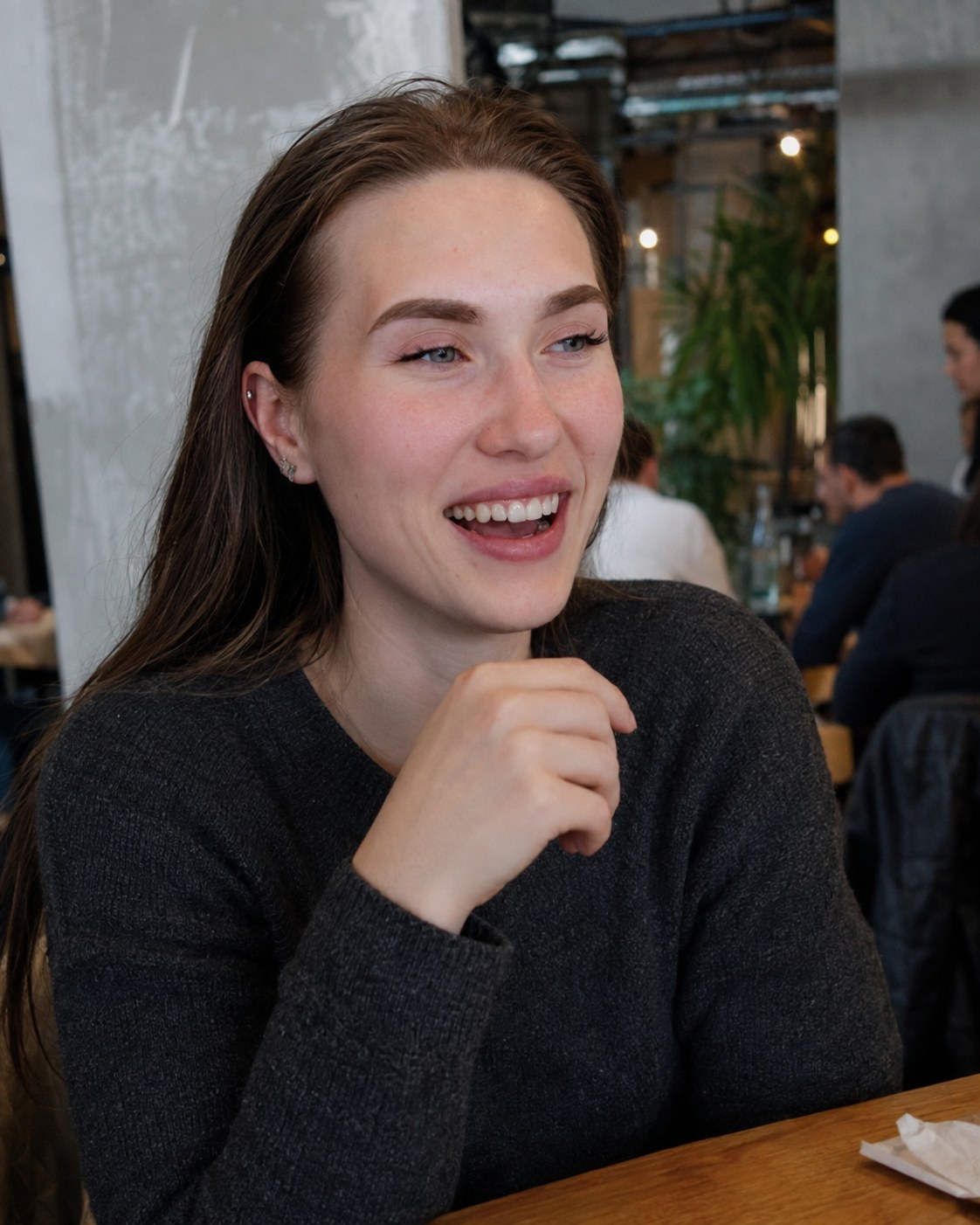
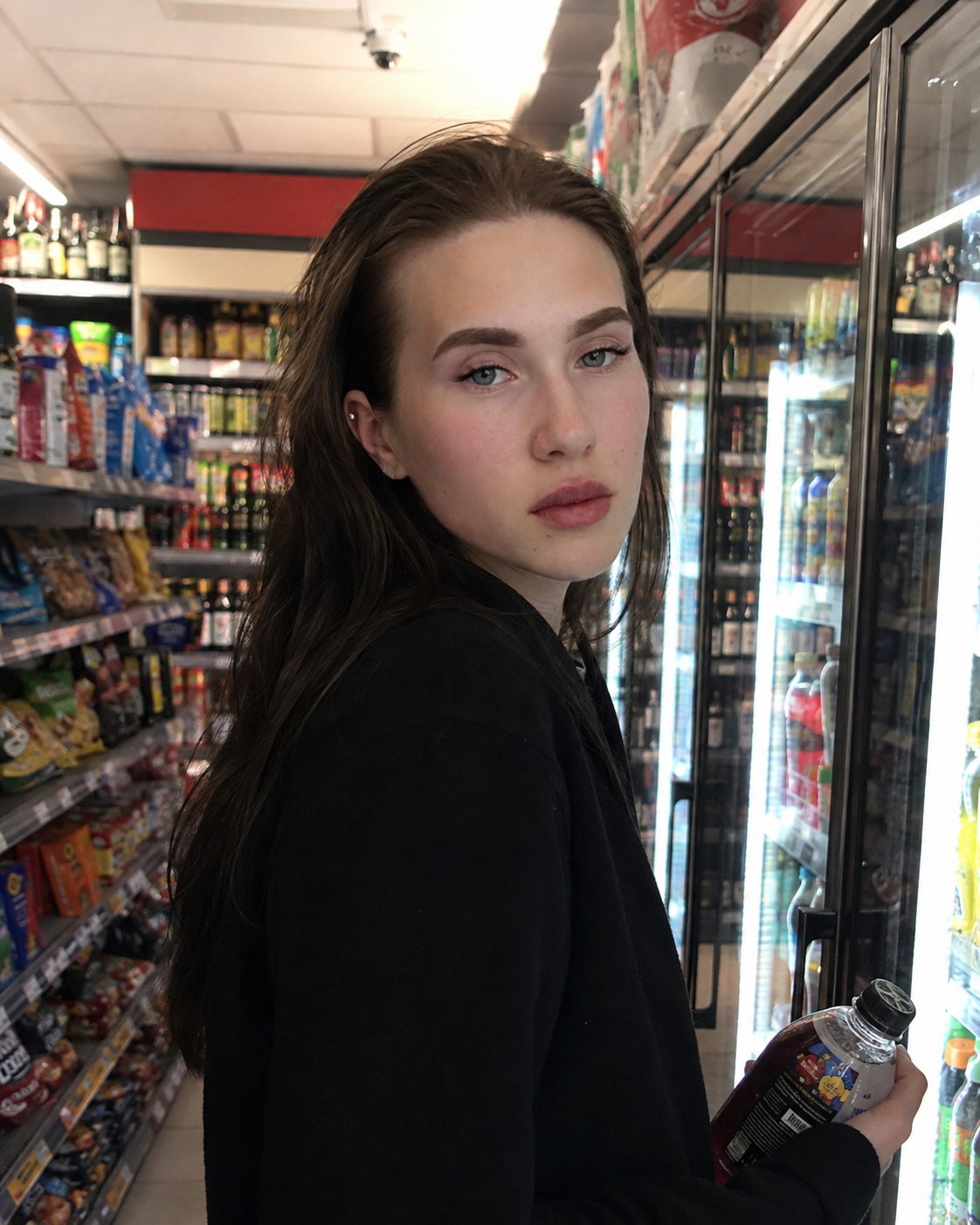
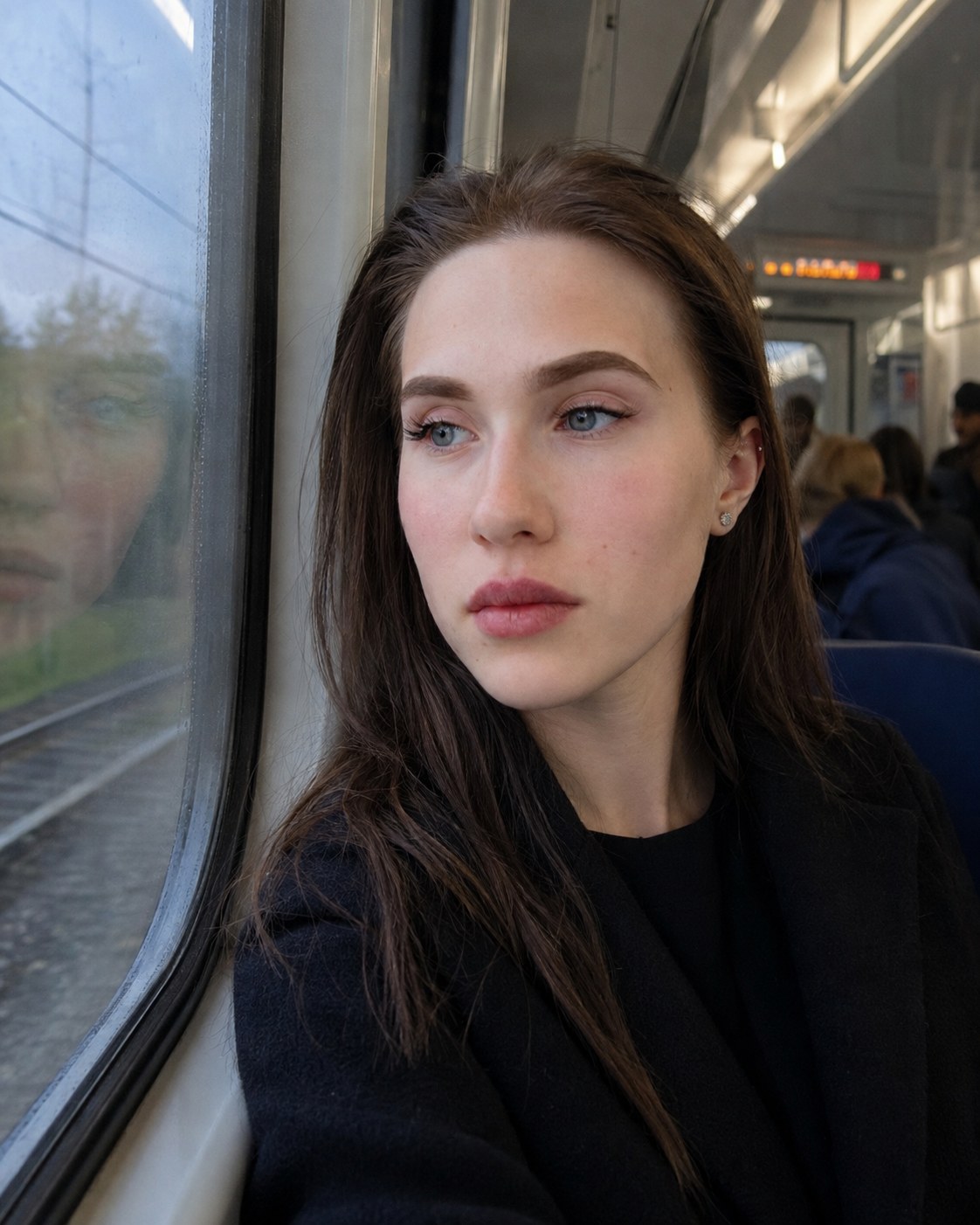
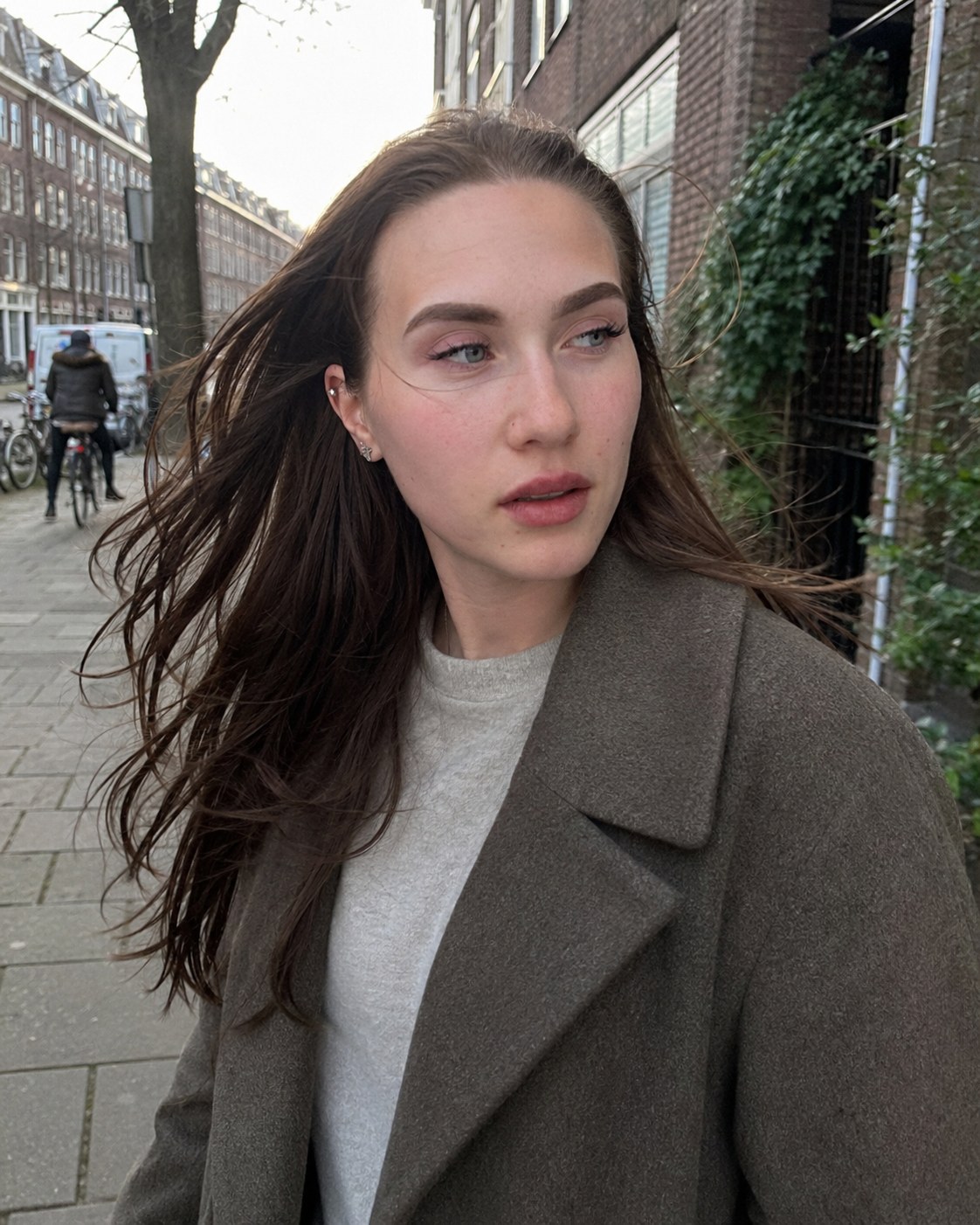
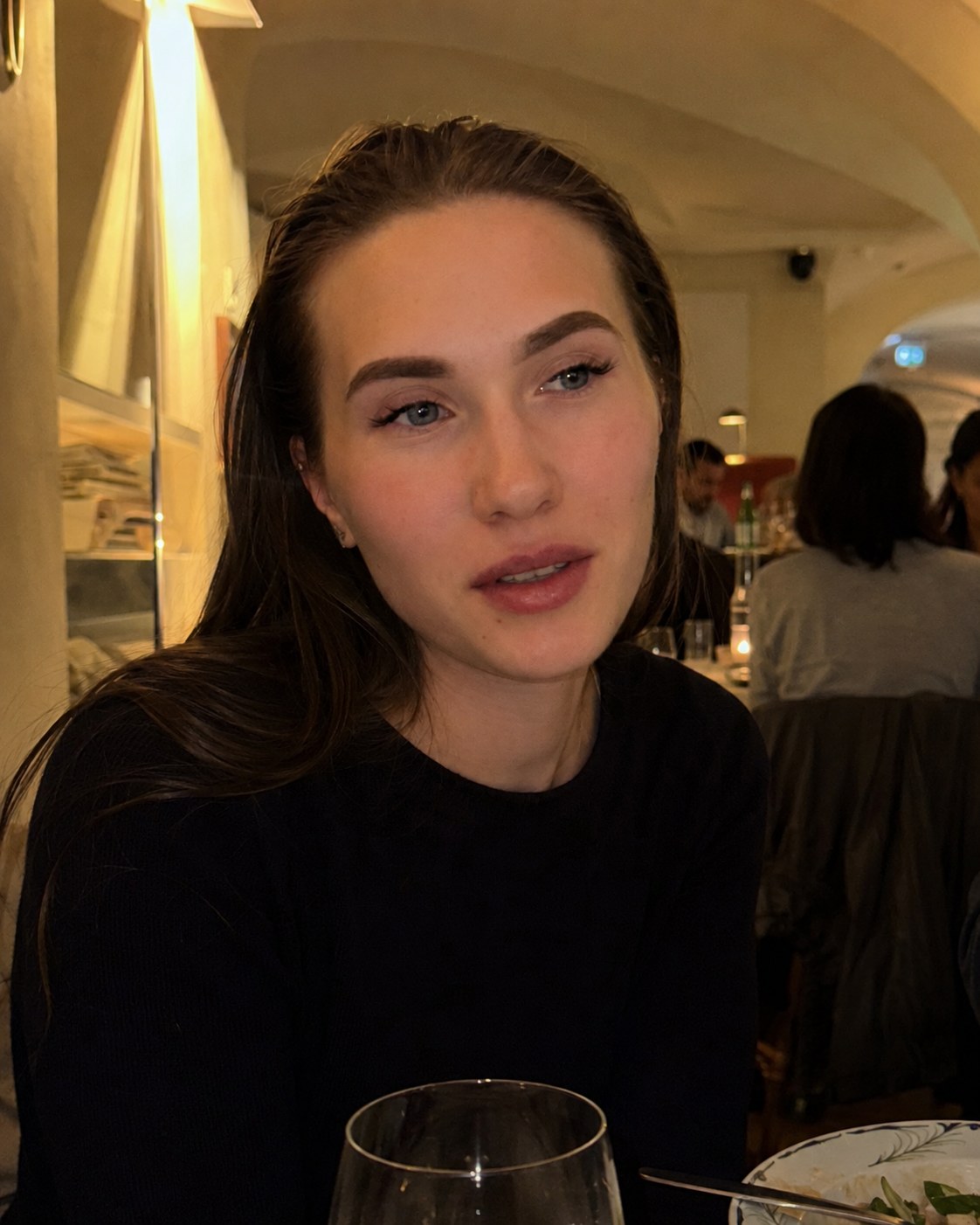
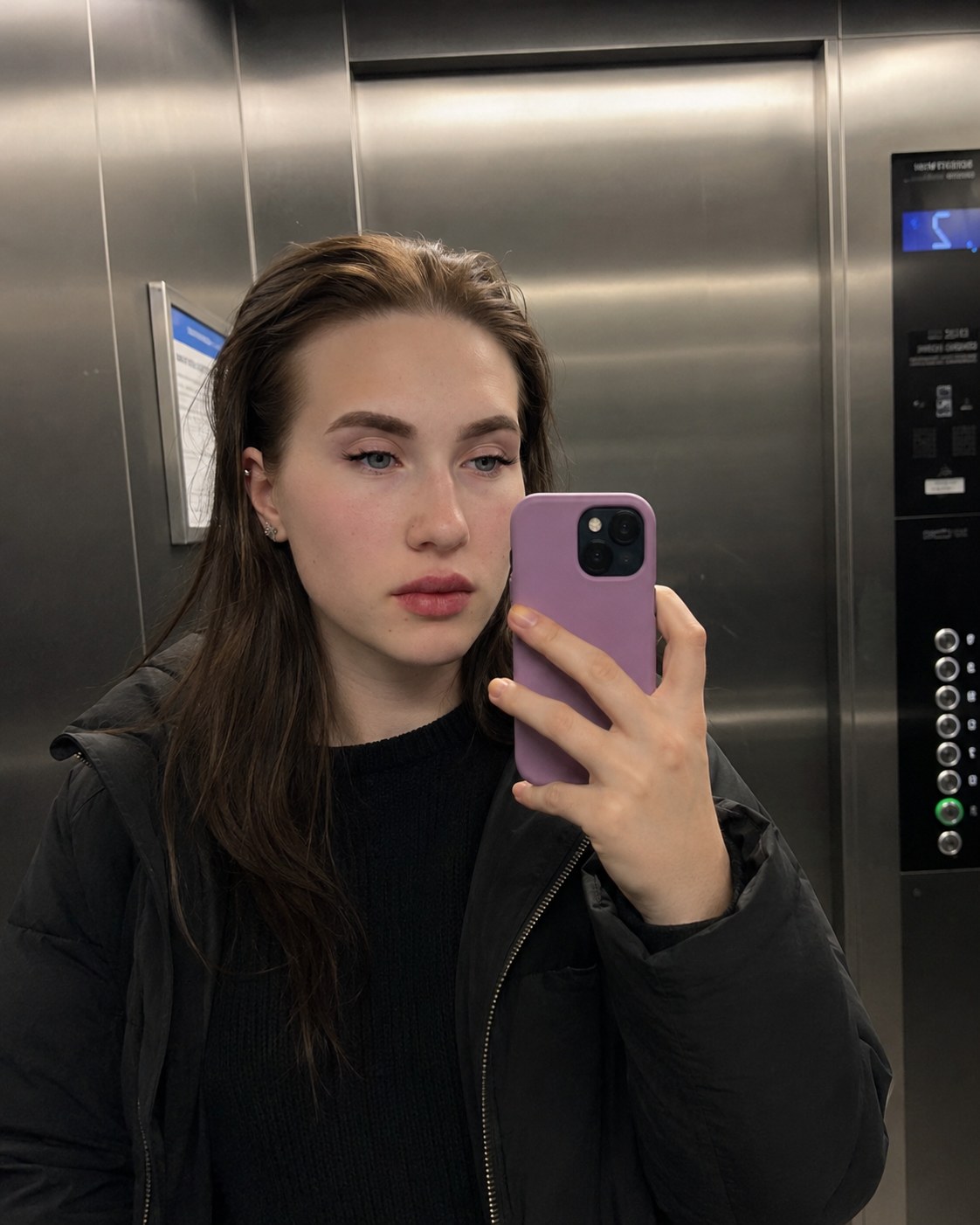
From a single reference image, I built the same character across varied real-world environments while preserving identity, realism and natural variation.
One reference → Six generated scenes → Identity consistency
Generated range
Six environments, one person — every frame built from the same reference.
Consistency logic
What was held, and what was allowed to move.
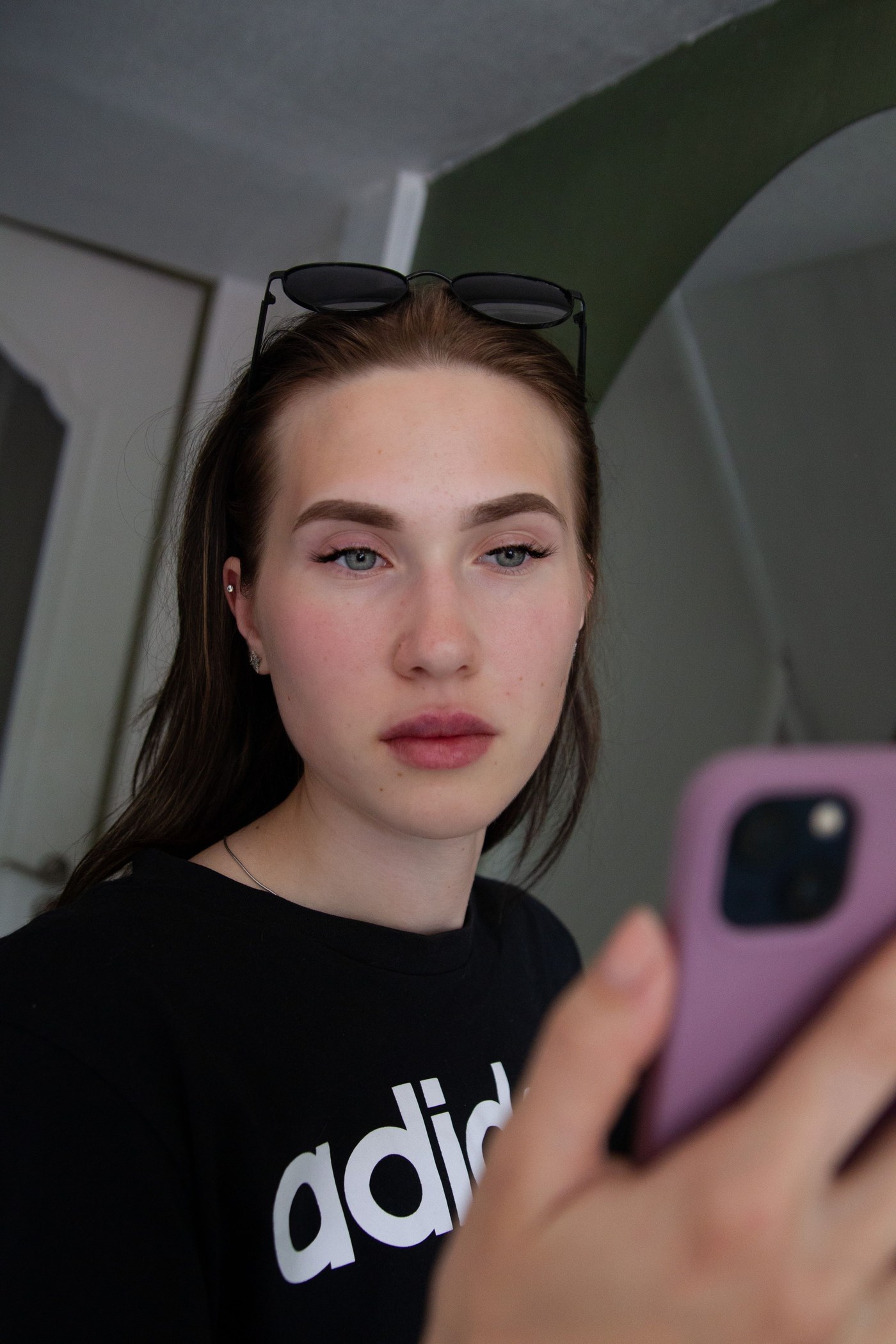
Held constant
- Facial structureProportion, eye spacing, nose and jaw line across every scene.
- HairLength, colour, part and the way it falls under different light.
- Skin characterTexture, tone and apparent age, rather than a retouched surface.
- Body proportionBuild and shoulder line, so scale reads the same at any distance.
Allowed to vary
- LightCafé warmth, store fluorescents and daylight through glass.
- ExpressionLaughing, neutral, distracted — read as the same person reacting.
- FramingDistance, lens character and crop change with each environment.
- StylingWardrobe shifts with the setting without becoming a costume change.
The reference carries no environment information. Everything else in the series — light, wardrobe, location, framing, expression — is built after that point, which is what makes the drift measurable.
Process
- Lock the reference and write the identity description that travels with every prompt.
- Build each environment separately — light source, surfaces, time of day, camera distance.
- Generate in small batches per scene so identity drift is visible early instead of at the end.
- Compare each candidate back to the reference, not to the previous generation.
- Refine the prompt where the face slipped; regenerate rather than repair after the fact.
- Select the frame where identity, light logic and expression all hold at once.
Checked on every candidate
- Face drift between scenes — proportion, eye spacing, jaw
- Age drift under softer or harder light
- Hairline and hair volume continuity
- Skin reading as skin, not as a smoothed surface
- Hand and finger construction
- Light direction agreeing with the environment
- Reflections and glass behaving physically
- Background text and objects holding together
Six scenes that read as photographs of one person on six different days — the basis for any campaign, series or character-led content that has to stay recognisable across formats.